The Sensory-Inclusive Desktop: Gifting for Neurodivergent Talent in 2026
Majda Kramberger Bolarič · Blog editor ·
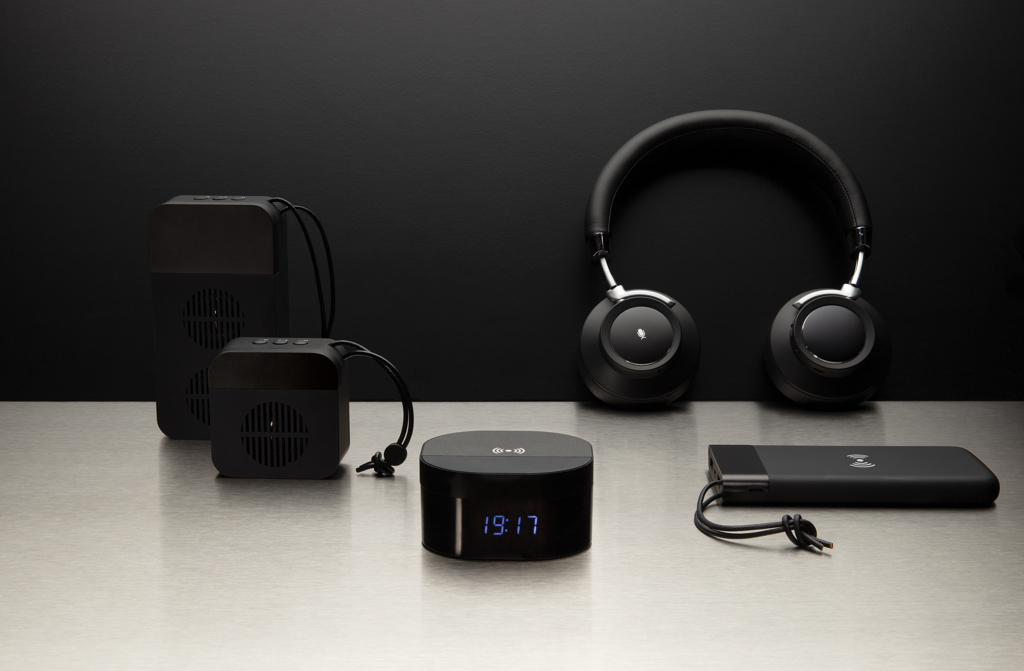
As we navigate the workplace landscape of 2026, the definition of a "supportive environment" has evolved beyond ergonomic chairs and open-plan offices. A significant shift in corporate strategy now focuses on neurodiversity—recognizing that cognitive differences are a competitive advantage. Forward-thinking B2B leaders are moving away from generic merchandise toward sensory-inclusive gifting, a strategy that acknowledges the diverse neurological needs of employees and partners.
In 2026, inclusivity isn't just a buzzword; it's a retention strategy. With approximately 15-20% of the global workforce identifying as neurodivergent, the physical and tactile objects we introduce into their workspace can either enhance focus or create sensory friction.
Key Takeaways
- Inclusive Branding: Moving from mass-market items to thoughtful, sensory-aware tools signals deep brand empathy.
- Productivity through Comfort: Reducing sensory triggers (noise, rough textures) directly correlates with employee output.
- The 2026 ESG Standard: Sensory-inclusive gifts must meet the highest sustainability criteria to align with modern corporate values.
- Personalization over Uniformity: Offering choices that cater to different sensory profiles (tactile, auditory, thermal) is the new gold standard.
Strategic Context / The "Why"
Modern B2B marketing is no longer about visibility alone; it is about utility and belonging. For neurodivergent talent—including those with ADHD, autism, or dyslexia—the environment often presents "sensory noise." High-quality, thoughtfully designed objects act as a buffer against this noise.
From a psychological perspective, tactile grounding is a powerful tool for self-regulation. When a company provides items that consider fabric softness or acoustic control, they aren't just giving a gift; they are providing a tool for mental clarity. This builds a profound emotional connection between the recipient and the brand, moving the relationship from transactional to transformational.
Buyer's Guide / How to Choose
When selecting gifts for a sensory-inclusive initiative, consider these three pillars:
- Tactile Integrity: Avoid synthetic, scratchy fabrics or heavy chemical dyes. Natural, recycled fibers provide a consistent, calming sensory experience.
- Auditory Control: In the hybrid world of 2026, the ability to curate one’s soundscape is vital for deep-work states.
- Thermal Regulation: Neurodivergent individuals often experience heightened sensitivity to temperature. Vacuum-insulated vessels allow for consistent hydration at the preferred temperature, reducing physical distraction.
Top Recommendations / The "What"
To implement a sensory-inclusive gifting strategy, focus on items that provide comfort and minimize distraction.
For auditory management, the Aria Wireless Comfort Headphones (Code: P328.681) are essential. These are designed with soft padding and high-fidelity sound, allowing users to create a private acoustic sanctuary in any environment.
Regarding apparel, the tactile experience is paramount. The IQONIQ Yala women lightweight recycled cotton t-shirt (Code: T4100.025.XXS) and the IQONIQ Sierra lightweight recycled cotton t-shirt (available in codes T9104.023.XXL and T9104.023.XXS) offer a soft, non-irritating feel against the skin, which is critical for those with tactile sensitivities. For cooler environments, the IQONIQ Zion recycled cotton crew neck (Code: T9300.007.S) provides warmth without the weight or itchiness of traditional wool blends.
Finally, for sensory grounding and hydration, the VINGA Ciro RCS recycled vacuum bottle 300ml (Code: V430043) is an excellent choice. Its sleek finish and reliable temperature retention provide a consistent physical touchpoint throughout the workday.
FAQ
Why is neurodiversity a priority for B2B gifting in 2026?
Companies are recognizing that inclusive cultures have higher retention rates and better problem-solving capabilities. Gifting is a tangible extension of these corporate values.
Can these items be branded?
Yes, but in 2026, "minimalist branding" is preferred. Small, tonal logos are less visually overstimulating and more likely to be used long-term.
Viri in literatura
- Deloitte Insights: The Neurodiversity Advantage in the Modern Workplace (2025-2026 Report).
- Journal of Corporate Sensory Ergonomics: Impact of Tactile Materials on Focus.
- ESG Global Standards 2026: The Rise of Inclusive Procurement.
Featured Products
- IQONIQ Yala women lightweight recycled cotton t-shirt — from 6.28 €
- IQONIQ Sierra lightweight recycled cotton t-shirt — from 6.23 €
- IQONIQ Sierra lightweight recycled cotton t-shirt — from 6.23 €
- IQONIQ Zion recycled cotton crew neck — from 16.55 €