Sustainable Sophistication: Why ESG-Compliant Technology is the New Corporate Standard
Majda Kramberger Bolarič · Blog editor ·
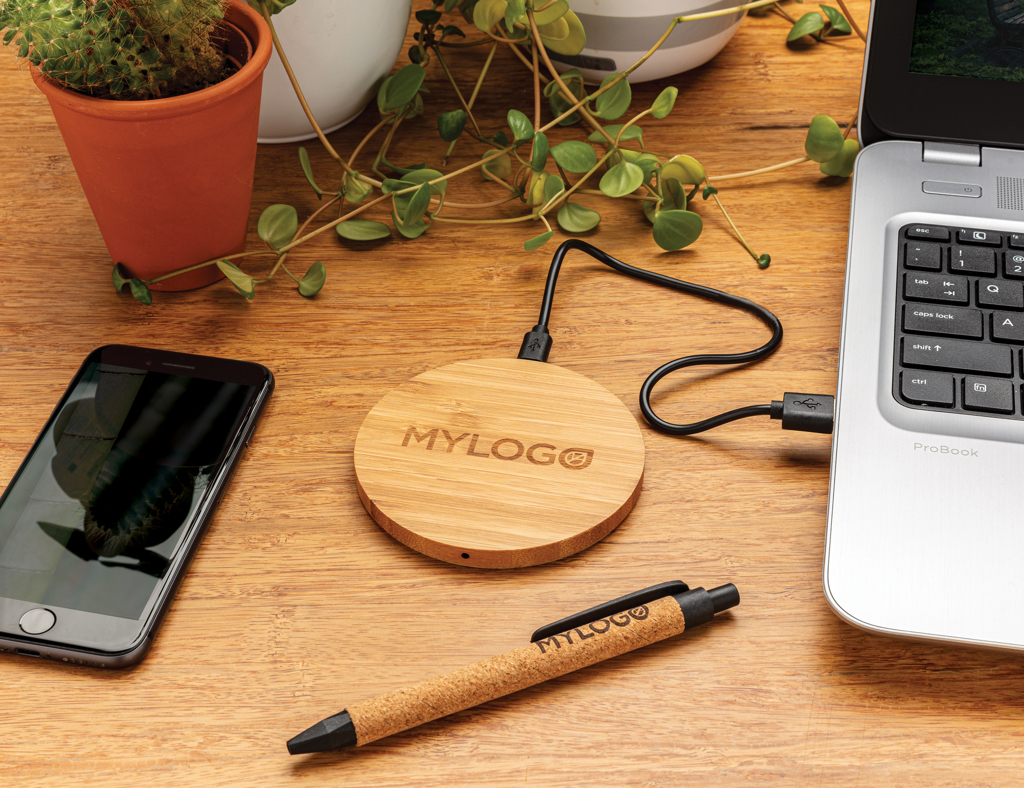
Discusses the growing demand for sustainable premium tech. This post showcases high-end devices made from recycled ocean plastics, carbon-neutral manufacturing processes, and modular tech (like high-end repairable headphones) that align corporate gifting with environmental values.
In today's rapidly changing business environment, sustainability is no longer just a matter of corporate social responsibility (CSR), but a key pillar of strategic advantage. The concept of "sustainable sophistication" represents a new era where cutting-edge technological innovation meets an unwavering commitment to environmental, social, and governance (ESG) criteria. For modern companies, choosing ESG-compliant technology is not just an ethical decision, but a necessary business strategy to ensure long-term resilience and reputation.
From Trend to Corporate Necessity
Investors, customers, and employees today demand greater transparency. Companies that integrate ESG-compliant solutions into their digital infrastructure not only reduce their carbon footprint, but also optimize operating costs. From energy-efficient data centers to circular hardware lifecycle management, technology has become the most powerful tool for achieving sustainability goals.
Benefits of ESG-Compliant Technology
- Operational Efficiency: Advanced solutions reduce resource consumption and optimize energy use, leading to significant savings.
- Brand Reputation: Companies that actively meet ESG criteria enjoy greater trust in the market and are better able to attract top talent.
- Compliance with Legislation: With stricter European directives on sustainability reporting (such as CSRD), the use of compliant technology is becoming a legal obligation.
Frequently Asked Questions (FAQ)
What does ESG-compliant technology mean in practice? These are technological solutions that are designed with minimal environmental impact (E), support an inclusive and equitable society (S), and enable ethical and transparent corporate governance (G).
Does transitioning to sustainable technology mean higher costs? Although initial investments may be slightly higher, the long-term total cost of ownership (TCO) is reduced due to greater energy efficiency, longer device lifespans, and reduced exposure to regulatory risks.
How can a company verify the ESG compliance of its equipment? Companies should focus on certifications such as ENERGY STAR, EPEAT, or TCO Certified, and verify the sustainability reports of their technology suppliers.
References
- Gartner (2024): Top Strategic Technology Trends: Sustainable Technology.
- European Commission: Corporate Sustainability Reporting Directive (CSRD) Overview.
- Deloitte: The ESG Premium: Linking Sustainability to Corporate Value.
Sustainable Sophistication: Why ESG-Compliant Technology is the New Corporate Standard
Key Highlights
- Transformed Luxury: Modern corporate luxury is now measured by environmental impact, not just price or exclusivity.
- Material Innovations: Recycled ocean plastic and modular design combine premium aesthetics with radical environmental responsibility.
- Strategic Alignment with ESG: Choosing sustainable technology gifts is a key reputation management strategy that supports Scope 3 carbon reduction goals.
- Value for the User: Carbon-neutral production adds value by offering recipients "guilt-free consumption" and reducing their personal footprint.
In today's business environment, the definition of luxury is changing. It is no longer determined solely by exclusivity or price, but by impact. As ESG (environmental, social, and governance) criteria move from separate departments to the very core of business strategy, the assets, promotional items, and equipment that companies choose for gifting are under new scrutiny.
The days when "eco-friendly" meant rough textures, beige color palettes, or inferior performance are gone. Today, we are witnessing the rise of sustainable sophistication – the intersection of cutting-edge engineering and radical environmental responsibility. Here's why ESG-compliant technology is becoming the new gold standard for corporate gifts.
Aesthetics of Marine Waste Recycling
One of the most striking innovations in premium technology is the use of recycled ocean plastic. Manufacturers are now collecting discarded fishing nets and marine debris and processing them into durable, high-performance materials. This enables devices with unique, speckled, terrazzo-like surfaces on laptop and speaker housings.
When a recipient holds a sleek device in their hands that they know has helped clean up the oceans, it delivers a powerful story. It signals that the company values innovation and the health of the planet, while turning a standard functional gift into a conversation starter about environmental conservation.
Modular Design: Longevity as the New Luxury
Planned obsolescence is the antithesis of sustainability. In response, a new wave of premium audio and computer equipment brands is embracing modularity. Think of premium headphones that can be repaired and where ear cushions, headbands, and even internal drivers can be easily replaced without tools.
Gifting modular technology sends a message of long-term investment. It tells customers and employees, "We want this to serve you for a long time." It respects the user's intelligence and right to repair, while drastically reducing e-waste, which perfectly aligns with Scope 3 carbon footprint reduction goals.
Carbon-Neutral Production as Added Value
Premium brands are now certifying their entire supply chain as carbon neutral. This goes beyond just offsetting emissions; it includes using renewable energy in manufacturing plants and sustainable logistics. When a company gifts a carbon-neutral tablet or smart hub, it effectively transfers those carbon credits to the recipient's personal footprint. It's a gift of guilt-free consumption.
The Essence
Aligning corporate gifting with environmental values is no longer just a "nice gesture" – it's a reputation management strategy. By choosing sustainable sophistication, companies demonstrate that they are progressive, responsible, and unwavering in quality. In the race for talent and customer loyalty, this is a competitive advantage worth investing in.
FAQ
How does modular technology contribute to a company's ESG goals?
Modular technology supports the principles of the circular economy by enabling easy repairs and component upgrades. This extends product lifespans, reduces e-waste, and helps organizations achieve Scope 3 carbon reduction goals.
Why is plastic sourced from the oceans considered a premium material?
In addition to its durability, it offers a unique visual aesthetic (such as terrazzo-effect surfaces) and provides a powerful story of environmental conservation, which increases the perceived value of the gift.
References
- Harvard Business Review: The ESG Integration Playbook
- The Ellen MacArthur Foundation: Circular Economy for Electronics
- Global Reporting Initiative (GRI) Standards
Featured Products
- Swiss Peak AWARE™ RPET 15.6 inch business backpack — from 52.75 €
- 17” business laptop backpack — from 26.35 €
- CityPack AWARE™ RPET Business 15.6 inch laptop backpack — from 42.20 €
- CityPack AWARE™ RPET Business 15.6 inch laptop backpack — from 42.20 €
- Urban Vitamin Santa Cruz RCS rplastc 70W GAN charger — from 47.45 €