The Regeneration Decision: Why 2026 Kickoff Events Demand a Circular Gifting Strategy
Majda Kramberger Bolarič · Blog editor ·
As ESG (Environmental, Social, and Governance) mandates shift from 'eco-friendly' to 'circularity' in 2026, this post explores how businesses can use their New Year kickoff to signal a commitment to regenerative design. It highlights gifts made from upcycled materials, lifetime-guaranteed products, and take-back programs that align with corporate sustainability goals.
Key Highlights
- Regenerative Focus: By 2026, corporate standards are shifting from merely "sustainable" to "regenerative circularity," requiring brands to actively renew rather than just reduce harm.
- Regulatory Compliance: Circular gifting strategies are essential for addressing Scope 3 emissions and meeting upcoming ESG mandates in North America and the EU.
- Three Pillars of Execution: Success hinges on upcycled materials, Longevity as a Service (LaaS), and the introduction of formal product return guarantees.
- Brand Integrity: Aligning physical kickoff gifts with corporate messaging about innovation prevents "greenwashing" and builds long-term brand resilience.
Introduction: The Shift to Regenerative Circularity
As we approach the business year 2026, the corporate sustainability vocabulary is facing a tectonic shift. For the last decade, companies have patted themselves on the back for choosing "eco-friendly" options—biodegradable pens or organic cotton t-shirts. But as we stand on the cusp of new ESG (Environmental, Social, and Governance) mandates, the goals have shifted. "Doing less harm" is no longer the standard; the new mandate is regenerative circularity.
Your Sales Kickoff (SKO) event or New Year launch is the highest-impact moment to signal this shift. It’s the moment you set the cultural tone for the entire year. If your strategic presentation talks about "innovation" and "long-term growth," but your welcome package contains cheap, single-use plastic, you’ve already undermined your message.
From Linear to Circular: The Business Case
By 2026, regulatory pressure in the EU and North America regarding Scope 3 emissions (indirect emissions in the value chain) will be stricter than ever. Corporate gifts fall directly into this category. The linear economy model (take-make-dispose) represents a liability and a risk. The circular economy model (make-use-return), however, is an asset and an advantage.
Adopting a circular gifting strategy demonstrates to investors, customers, and employees that your organization is operationally prepared for a regenerative future.
Three Pillars of a Circular Kickoff Event
To move from ecological pretense to substantive impact, your kickoff gifts must adhere to three principles:
1. Upcycling: Mining the Past
Recycling is good; upcycling is better. Regenerative gifting seeks value in what already exists.
- Shift: Instead of virgin bamboo, look for notebooks made from industrial waste (like apple peels or stone flour). Instead of ordinary polyester, choose bags woven from ocean-sourced plastic or repurposed billboard vinyl.
- Message: "We innovate by finding value where others see waste."
2. Longevity as a Service (LaaS)
The most sustainable product is the one that never needs to be replaced. 2026 is the year we must abandon the mentality of cheap promotional swag. If a product doesn’t come with a guarantee, it doesn’t belong in your kickoff kit.
- Shift: Invest in premium brands with a heritage of offering lifetime warranties. Think durable outerwear, repairable modular tech accessories, or cast-iron cookware for work-from-home employees.
- Message: "We’re built to last. We invest in quality over quantity."
3. Return Guarantees
True circularity requires an end-of-life plan. If a gift can’t be easily disassembled and returned to the value chain, it represents a future landfill problem.
- Shift: Partner with suppliers who offer active take-back programs. This means the gifted jacket has a QR code that allows the employee to return it to the manufacturer in five years for recycling or resale.
- Message: "We take responsibility for our outputs, from start to finish."
The ROI of Regenerative Intent
Kicking off 2026 with a circular gifting strategy isn’t just about saving the planet; it’s about brand resilience. It signals to your workforce that the company is forward-thinking, compliant with future standards, and culturally mature.
This January, don’t just give a gift. Make a statement. Make the regeneration decision.
FAQ
How does circular gifting help with Scope 3 emissions?
Scope 3 emissions include all indirect emissions in a company's value chain. By choosing circular gifts—which prioritize recycled materials and end-of-life processing—companies reduce the overall carbon footprint associated with procurement and waste disposal.
What does "Longevity as a Service" mean in a corporate context?
Longevity as a Service (LaaS) refers to choosing high-quality products designed for extreme durability and repairability. In corporate gifting, this means moving away from disposable items toward premium goods with lifetime guarantees that employees will use for years.
References
- Ellen MacArthur Foundation
- Greenhouse Gas Protocol (Corporate Value Chain Standard)
- UN Sustainable Development Goals (Goal 12: Responsible Consumption and Production)
Featured Products
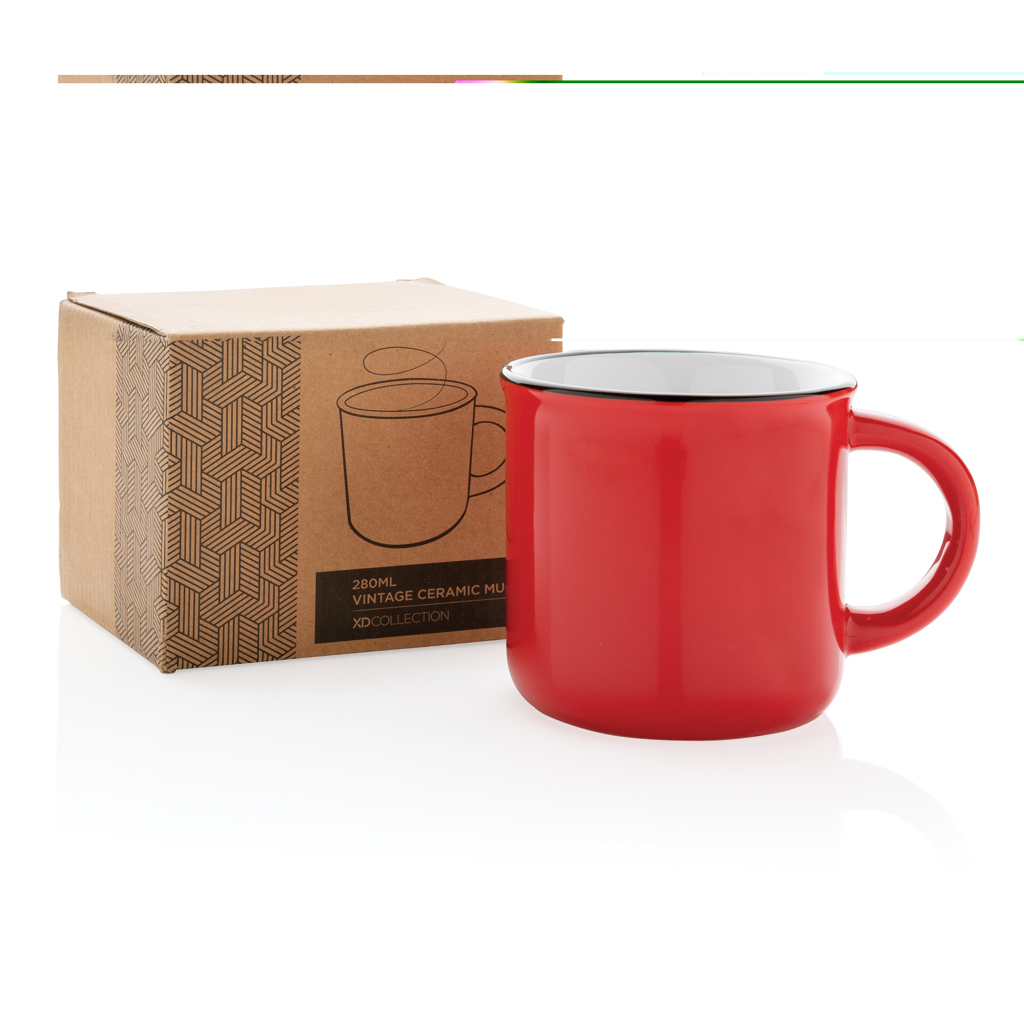
- Vintage ceramic mug 280ml — from 5.65 €
- Vintage ceramic mug 280ml — from 5.65 €
- Vintage ceramic mug 280ml — from 5.65 €
- Vintage ceramic mug 280ml — from 5.65 €
- Vintage ceramic mug 280ml — from 5.65 €